


Bingo bay : Family bingo
4.3565.00 Reviews
App Specs
- Version
- 2.1.6
- Updated On
- License
- Free
- Downloads
- 100,000+
- Developer
- SUPERBOX Inc
- Categories
- Board
- Platform
- Android
Screenshots


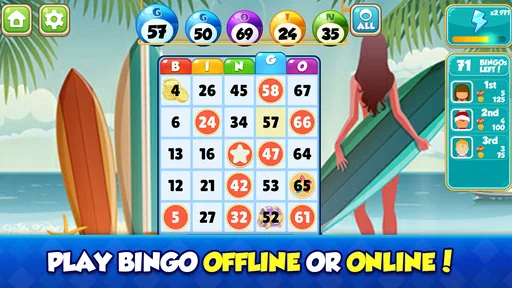
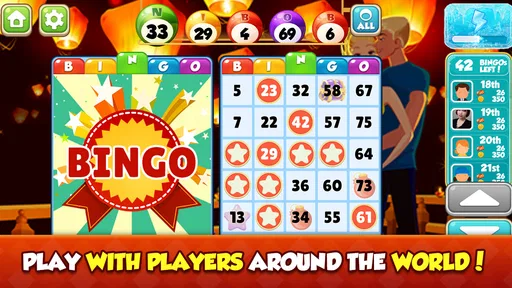

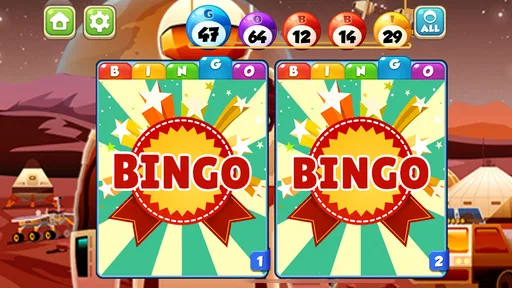
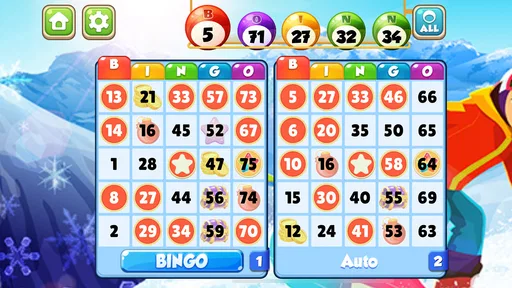
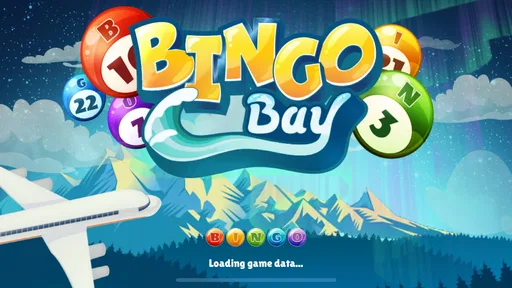
 Analysis by AppCompare
I found Bingo bay: Family bingo easy to understand within minutes, which is exactly what I want from a casual board game. It comes from SUPERBOX Inc, is free to download, and is aimed at players rated Everyone 10+. The basic appeal is familiar: bingo gives me a clear card, a simple goal, and a reason to stay alert without asking me to learn a complicated rulebook.
That simplicity makes a strong first impression. I can open it when I have a short break, play without preparing a group, and return to the central activity immediately. It is not trying to replace a deep strategy board game, and I think that is important to understand before installing it. Its value comes from quick, low-pressure sessions rather than elaborate planning or a large competitive system.
Why the first week feels inviting
The opening experience is built around recognition. Anyone who has played bingo before will understand the rhythm, while newcomers can follow along because the board itself keeps the objective visible. I never felt that I needed outside instructions to begin. That makes it a practical choice for a family member who enjoys light games but does not usually spend time learning mobile mechanics.
The game’s worldwide positioning also suits bingo’s naturally social character. Even when I am playing alone on a phone, the format feels connected to a familiar group activity. That gives it a warmer personality than many solitary puzzle games, although the experience still depends on what the current session offers rather than on a detailed story or a large collection of characters.
During the first few days, the main pleasure comes from the short feedback loop. I look at the card, watch for useful calls, and make a decision as soon as an opportunity appears. This is a good design fit for waiting rooms, a quiet coffee break, or a few minutes before bed. I would not choose it for a long uninterrupted evening unless I already knew that bingo was my preferred way to relax.
One useful habit is to treat the first week as a test of your own tolerance for repetition. Instead of assuming that the free download will become a permanent favorite, I would play at different times of day and notice whether the simple loop still feels satisfying. That matters here because the game’s strength is also its main limitation: there is little distance between understanding the activity and seeing its recurring pattern.
The board-game category is a sensible home for it, but it should not be compared too closely with chess, checkers, or a modern strategy title. Those games reward long-term planning and deliberate study. This one is better for attention, timing, and relaxed participation. If I want a game that lets me talk with someone while playing, this format is more suitable than a demanding tactical alternative.
Worth Reading Before You Choose

EA SPORTS FC Mobile 26 Is a Bigger Football Game, but It Takes Time

Flipboard Shows What News Apps Must Do Beyond the Feed

Switching to Android Auto Means Rethinking Your Driving Routine

Google Calendar Makes a Crowded Week Easier to Manage

Ludo King Makes the Most of the Minutes Between Plans

Baby Panda World Brings Quick Play to Modern Phones, but Its Game Library Feels Busy
Who will enjoy the opening most
I would recommend the first-week experience to casual players, families looking for a familiar activity, and people who prefer rules they can grasp without a tutorial marathon. It can also work for someone returning to mobile games after a long break, because the basic concept does not require knowledge of a complex fictional world or an advanced control scheme.
On the other hand, a player seeking a strong sense of progression may feel underwhelmed. Bingo is not naturally built around mastery in the same way as a strategy board game. If your favorite mobile sessions involve building a collection, solving increasingly difficult puzzles, or making choices that permanently change the outcome, this may feel too light once the initial novelty fades.
The age guidance of Everyone 10+ suggests a broad audience, but I would still choose the setting carefully when playing with younger family members. The game is easy to understand, yet mobile bingo can become less about family interaction if everyone ends up staring at a separate screen. For a shared occasion, I get more value when players talk about their cards and treat the game as a social prompt rather than as background noise.
What changes after the novelty settles
The more important question is not whether the game is pleasant at first, but whether it earns a place in a regular rotation. In my experience, recurring value depends on how comfortable I am with a familiar loop. I can imagine opening it repeatedly when I want something uncomplicated, but I would not expect it to become a daily habit for every type of player.
Its current version is 2.1.6, and the game has been available since April 5, 2017. That history gives it the feel of an established casual title rather than a brand-new experiment. It has reached over 100 thousand installs, with an average rating of 4.3 from around 3.7 thousand ratings. Those figures suggest that the straightforward concept has found a real audience, although popularity alone cannot guarantee that its pace will suit me personally.
For month-to-month use, I would place it alongside other small diversions instead of making it my only mobile game. A useful rotation might put this on the quick-play side, with a word game for mental variety and a deeper board game for evenings when I want more control. That approach protects it from becoming stale while preserving its best quality: it is ready when I want a familiar, low-effort activity.
There is also a practical difference between playing for relaxation and playing for achievement. If I use it to unwind, a repeated structure can be comforting. If I use it to chase constant improvement, the same structure may start to feel thin. I would decide based on that distinction rather than on the store category alone.
One of my more useful ways to keep a casual game like this from taking over my time is to define the occasion before opening it. For example, I might play while waiting for an appointment, but avoid launching it automatically whenever I pick up my phone. That simple boundary makes the game feel like a small treat instead of an endless default activity.
Free entry, optional spending, and everyday use
The free price makes trying it straightforward. I can evaluate the core experience without committing money first, which is especially helpful when I am unsure whether bingo will hold my attention beyond the opening sessions. In-app purchases range from $0.79 to $79.99 per item, so the spending scale is wide enough that I would approach optional purchases deliberately.
My advice is to decide in advance whether I am using the game as a free casual pastime or as a hobby worth supporting financially. The two approaches feel different. With a free-only boundary, I can judge the game by its ordinary play. With purchases, I would want to understand exactly what each item changes for my own routine and avoid buying simply because a session feels slow.
A realistic scenario is a family member using the game during a relaxed weekend gathering. One person may already know bingo, another may be trying it on a phone for the first time, and a third may only want to participate briefly. The accessible format helps everyone enter at different levels, but the group should agree on whether phones are part of the conversation or the main focus. Otherwise, the app can quietly turn a shared activity into several isolated ones.
For solo use, I see it working best in small windows: commuting when it is safe and appropriate to use a phone, waiting for food, or taking a short mental break between chores. I would not recommend using it while multitasking around children, cooking, or crossing streets. Bingo still rewards attention, and casual does not mean consequence-free when the player is distracted.
The maintenance burden is low, but not invisible
Compared with a physical board game, the maintenance burden is convenient. I do not need to store cards, gather pieces, or organize a table before starting. The app is always close at hand, and that removes the setup friction that often prevents a quick round of physical bingo.
That convenience has a trade-off. A physical set can become an occasion, while a phone game can disappear into the same stream of notifications and other apps. I get more lasting value when I give it a defined place, such as a short evening wind-down or a family game slot, rather than opening it randomly whenever I feel bored.
Keeping the game installed also means accepting the usual mobile maintenance questions: whether I still enjoy the loop, whether it deserves storage space, and whether optional purchases fit my budget. I would review those choices occasionally instead of assuming that an app must remain on my device forever. A game can be good and still be unnecessary once my routine changes.
For a shared device, I would be especially careful about purchase controls and about who is allowed to play. The broad age rating does not remove the need for household rules. Setting expectations before handing over a phone is more useful than trying to correct an accidental purchase or an overly long session afterward.
The developer, SUPERBOX Inc, gives the title a recognizable identity within casual mobile gaming, but I would still judge updates by their effect on my experience rather than by the developer name. If the game remains comfortable to open and does not disrupt the way I use my phone, that is enough for this type of product. I do not need constant novelty from a bingo game, but I do need the routine to remain pleasant.
Where fatigue begins
The clearest source of fatigue is repetition. Once I understand the flow, the surprise comes mainly from the outcome of a round, not from discovering a new system. That can be satisfying in short bursts, but less so when I expect every session to feel meaningfully different.
Another possible friction is the gap between casual expectations and spending temptation. A free game with purchases can be perfectly reasonable, yet the presence of items priced as high as $79.99 means I would not approach the store casually. I prefer to keep the decision separate from the excitement of a near-win or a particularly engaging session.
There is also a social limitation. The idea of family bingo sounds naturally communal, but playing on a mobile device does not automatically create conversation or togetherness. If my goal is a room full of people reacting to the same caller and sharing one physical board, a traditional bingo set may be the better choice. This app is more convenient, but convenience is not the same thing as atmosphere.
Players who need a strong competitive ladder, detailed statistics, or a campaign-like sense of advancement should look toward a different board-game app. I would also skip it if I dislike chance-based outcomes altogether. Bingo can reward attention, but it cannot offer the same control as a game where every result follows from a carefully planned move.
One less obvious trade-off is that the game’s accessibility may reduce the feeling of accomplishment for experienced board-game players. Being able to start immediately is excellent for a casual audience, but it leaves less room for the satisfying learning curve found in more demanding alternatives. I would not call that a flaw in isolation; it is simply the price of keeping the entry point friendly.
How it compares with familiar alternatives
Against physical bingo, this version wins on convenience and loses on shared presence. I can play it without equipment or preparation, but I do not get the same sense of an event around a table. Against complex digital board games, it wins on approachability and loses on strategic depth. Against quick puzzle games, it offers a more recognizable social format but may provide less variety from one session to the next.
That comparison helps clarify its proper role. I would choose it when I want a gentle board-game flavor without a long setup. I would choose a word puzzle when I want to exercise vocabulary, a strategy title when I want meaningful planning, and a physical bingo set when several people are ready to share one room and one activity.
The best long-term use is therefore selective. It can remain installed for the moments when its exact mood fits, rather than competing with every other game on my phone. I find that more honest and more sustainable than promising that a simple bingo loop will replace a full range of entertainment.
My long-term verdict
After the first-week appeal fades, Bingo bay: Family bingo still makes sense as a small, familiar diversion, but not as an essential game for everyone. I like its low barrier to entry, its suitability for short sessions, and the fact that I can understand the central activity without investing much time. The free entry also makes experimentation easy.
Its lasting value depends on accepting what it is. This is not the right choice for deep strategy, a rich progression system, or a substitute for an in-person family gathering. It is better for a player who enjoys bingo itself and wants a convenient mobile version available during spare moments.
I would recommend trying it with a clear expectation: keep sessions occasional, set a firm spending boundary, and notice whether the familiar rhythm remains enjoyable after the novelty passes. If it continues to fit naturally into your breaks, it can earn its place. If every round starts to feel interchangeable, uninstalling it in favor of a more varied board game is the sensible decision.
With its Everyone 10+ rating, free download, established release history, and a solid average of 4.3, it is an approachable option rather than a risky experiment. My final view is positive but measured: this is a good pocket-sized bingo game, not a complete board-game destination. I would keep it for relaxed, occasional play and recommend it most strongly to people who already know they enjoy bingo’s simple rhythm.
Pros
- Simple rules make it easy for new players to join.
- Bright visuals and cheerful sounds create a family-friendly atmosphere.
- Short rounds fit well into quick breaks or casual play.
- Multiple bingo cards add variety and replay value.
- Works well for relaxed group play with children and adults.
Cons
- Frequent ads may interrupt the game between rounds.
- Some features or rewards may require in-app purchases.
- Progress can feel repetitive after extended play sessions.
- Small text or controls may be difficult on compact screens.
- An internet connection may be needed for certain features.
FAQs for Bingo bay : Family bingo
What is Bingo Bay: Family Bingo?
Bingo Bay: Family Bingo is a casual bingo game designed for relaxed, family-friendly play. It combines traditional bingo rounds with colorful locations, collectible rewards, progression elements, and short sessions that are easy to play on a phone or tablet. The game is aimed at players who enjoy simple number-matching gameplay with a light adventure and social atmosphere.
Is Bingo Bay: Family Bingo free to download and play?
Bingo Bay: Family Bingo can generally be downloaded for free, allowing players to try the main gameplay without paying upfront. However, like many mobile bingo games, it may include optional in-app purchases for coins, boosters, tickets, or other virtual items. These purchases are not usually required to understand the game, but progress and available plays may be affected by virtual currency limits.
Does Bingo Bay: Family Bingo require an internet connection?
An internet connection may be needed for important features such as loading new bingo rooms, synchronizing progress, receiving events, displaying advertisements, and processing purchases. Some parts of the game may work temporarily while offline, but full functionality should not be expected without a stable connection. Players should also allow the app to update before assuming that an offline session will be supported.
Is Bingo Bay: Family Bingo suitable for children and families?
The game presents itself as family-oriented, with simple rules, bright visuals, and accessible bingo rounds that can be understood by younger and older players alike. Nevertheless, parents should review the store age rating and the app’s privacy and purchase settings before handing it to a child. Optional purchases, advertisements, and online features can make parental controls advisable.
What should I know about rewards, ads, and in-app purchases?
Bingo Bay: Family Bingo may use virtual tickets, coins, or energy-style resources to control how often you can start rounds and claim bonuses. Watching optional advertisements can sometimes provide extra rewards, while in-app purchases may offer faster access to additional resources. The basic experience can be enjoyable without spending money, but players should monitor limits carefully because progress may encourage repeated play or purchases.


